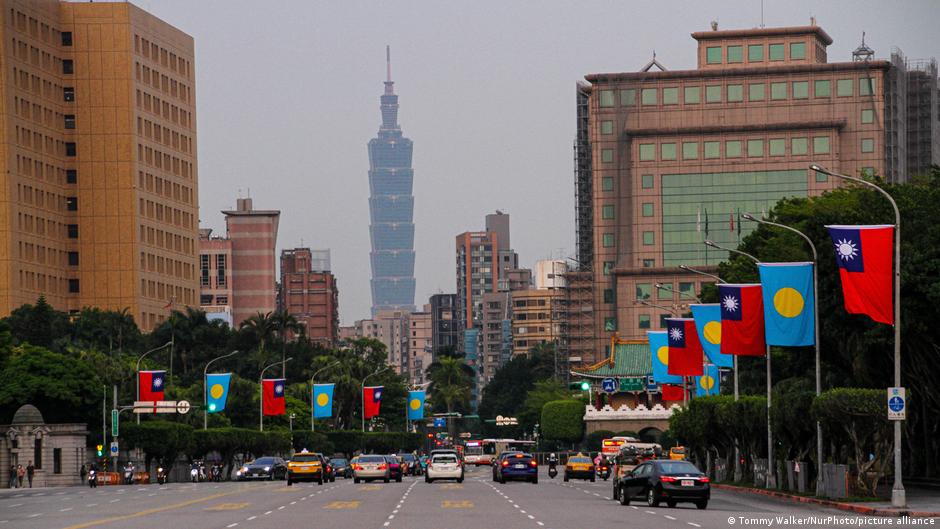
Taiwan's Tech Hub Shaken: A Powerful Reminder of Nature's Fury
A 7.0-magnitude earthquake struck Taiwan's northeastern coast, sending shockwaves through the island's tech-centric capital, Taipei. This event, though not as devastating as some of Taiwan's past encounters with earthquakes, serves as a stark reminder of the country's vulnerability to seismic activity and the potential impact on its crucial role in the global technology sector.
The quake, originating some 32 kilometers off the coast near Yilan, hit late on a Saturday night. Residents and media described the intense shaking, with buildings swaying in Taipei. Despite the initial panic, the city government quickly reported no major damage, a testament to Taiwan's robust earthquake preparedness.
But here's where it gets controversial: While the quake didn't trigger a tsunami alert, it did cause evacuations at facilities owned by TSMC, the world's largest contract chipmaker. This highlights the delicate balance between safety and business continuity in an industry where even a minor disruption can have global repercussions.
Taiwan's semiconductor industry is a linchpin for the global tech supply chain. Any disruption, no matter how brief, can have far-reaching consequences, affecting everything from smartphone production to automotive manufacturing and driving up tech prices worldwide.
And this is the part most people miss: Taiwan's unique position as the world's leading producer of advanced semiconductors makes it a critical node in the global economy. Its ability to produce cutting-edge chips unmatched by any other country gives it an unparalleled advantage, but also makes it a potential target for geopolitical tensions.
In April 2024, a magnitude-7.2 quake struck Taiwan's east, killing at least 18 people and injuring over 1,000. This tragedy, along with the 1999 quake that killed over 2,000, underscores Taiwan's seismic vulnerability. Despite these challenges, Taiwan continues to lead the world in semiconductor technology, a testament to its resilience and innovation.
As we reflect on this recent earthquake, it's important to consider the delicate balance between technological advancement and natural disasters. How can we ensure the safety and continuity of critical industries like Taiwan's semiconductor sector? Share your thoughts and opinions in the comments below!